
Fairfax, Virginia faces a surge in spam text messages and calls, prompting local spam call law firms Virginia to enforce strict anti-spam regulations. These firms combat unsolicited texts through education, blocking, reporting, and legal action against non-compliant senders. Residents are advised to use call-blocking tools, report spam, and verify call sources to protect themselves from scams. Community workshops and digital literacy programs empower residents to navigate the digital landscape safely.
In the digital age, communication is a double-edged sword, particularly with the rise of spam calls targeting Fairfax, Virginia residents. While access to information is invaluable, unwanted and deceptive messaging poses significant challenges. Spam texts not only disrupt daily life but also create a complex web of legal implications, especially for law firms operating in Virginia. Navigating this landscape requires a nuanced understanding of consumer protection laws, particularly with the ever-evolving tactics employed by spammers. This article delves into the importance of spam text awareness, offering insights into the problem and proposing solutions to mitigate its impact, specifically focusing on the context of Virginia’s spam call regulations for law firms.
Understanding Spam Text and Its Impact in Fairfax

In Fairfax, Virginia, like many urban areas across the country, spam text messages have become a persistent and often annoying nuisance. Understanding spam text and its impact is crucial for residents and businesses alike to protect their privacy and ensure compliance with local laws. According to recent studies, a significant portion of mobile users in Fairfax receive spam texts daily, with some reporting up to 20 unsolicited messages per week. These texts often contain misleading links, phishing attempts, or promotional content that can compromise personal information if users are not vigilant.
The rise of automated text messaging services has made it easier for spammers to reach a large number of people simultaneously. In Virginia, including Fairfax, spam call law firms have been established to combat this growing issue. These laws mandate that businesses obtain explicit consent before sending marketing texts and provide opt-out mechanisms for recipients. Non-compliance can result in substantial fines, underscoring the seriousness with which these laws are enforced. For instance, a local case study revealed that a business faced penalties after sending promotional texts to customers who had not given their consent, highlighting the importance of adhering to these regulations.
The impact of spam text extends beyond individual inconvenience. It can disrupt communication networks and contribute to a general sense of distrust among users. Small businesses, in particular, may struggle with reputational damage if they are perceived as engaging in unsolicited marketing practices. To mitigate these effects, residents are advised to familiarize themselves with blocking features on their devices, report spam texts to relevant authorities, and exercise caution when interacting with unknown senders. By staying informed and proactive, Fairfax residents can help create a cleaner, safer digital environment for everyone.
Virginia's Anti-Spam Laws: Protecting Residents from Calls

In Fairfax, Virginia, residents often face a persistent nuisance: spam calls. These unsolicited phone communications can range from pre-recorded marketing messages to fraudulent schemes, causing distress and wasting valuable time. Understanding and adhering to Virginia’s anti-spam laws is crucial in combating this issue. The state has implemented robust legislation aimed at protecting consumers from unwanted telephone solicitations, with strict penalties for violators.
Virginia’s Spam Call Law firms play a pivotal role in enforcing these regulations. Under the Virginia Consumer Sales Practices Act (VCSPA), businesses are prohibited from making telephonic solicitations to residents without prior consent. This includes automated or prerecorded calls, as well as live operators. Exceptions exist for certain types of communications, such as those from non-profit organizations or government agencies, but these are clearly defined and narrowly applied. Law firms specializing in spam call cases help ensure compliance by offering legal advice, conducting investigations, and representing clients in disputes.
Practical steps can be taken by Fairfax residents to minimize the impact of spam calls. Registering for the National Do Not Call Registry is a fundamental first step. Additionally, many telecommunications providers offer call-blocking features or custom call screening options. Residents are encouraged to document and report excessive spam calls to their service providers and local law enforcement, as well as consult with Virginia’s Spam Call Law firms for legal recourse when necessary. By staying informed and proactive, Fairfax residents can better protect themselves from this modern-day nuisance.
Identifying Spam Calls: Tips for Fairfax Residents
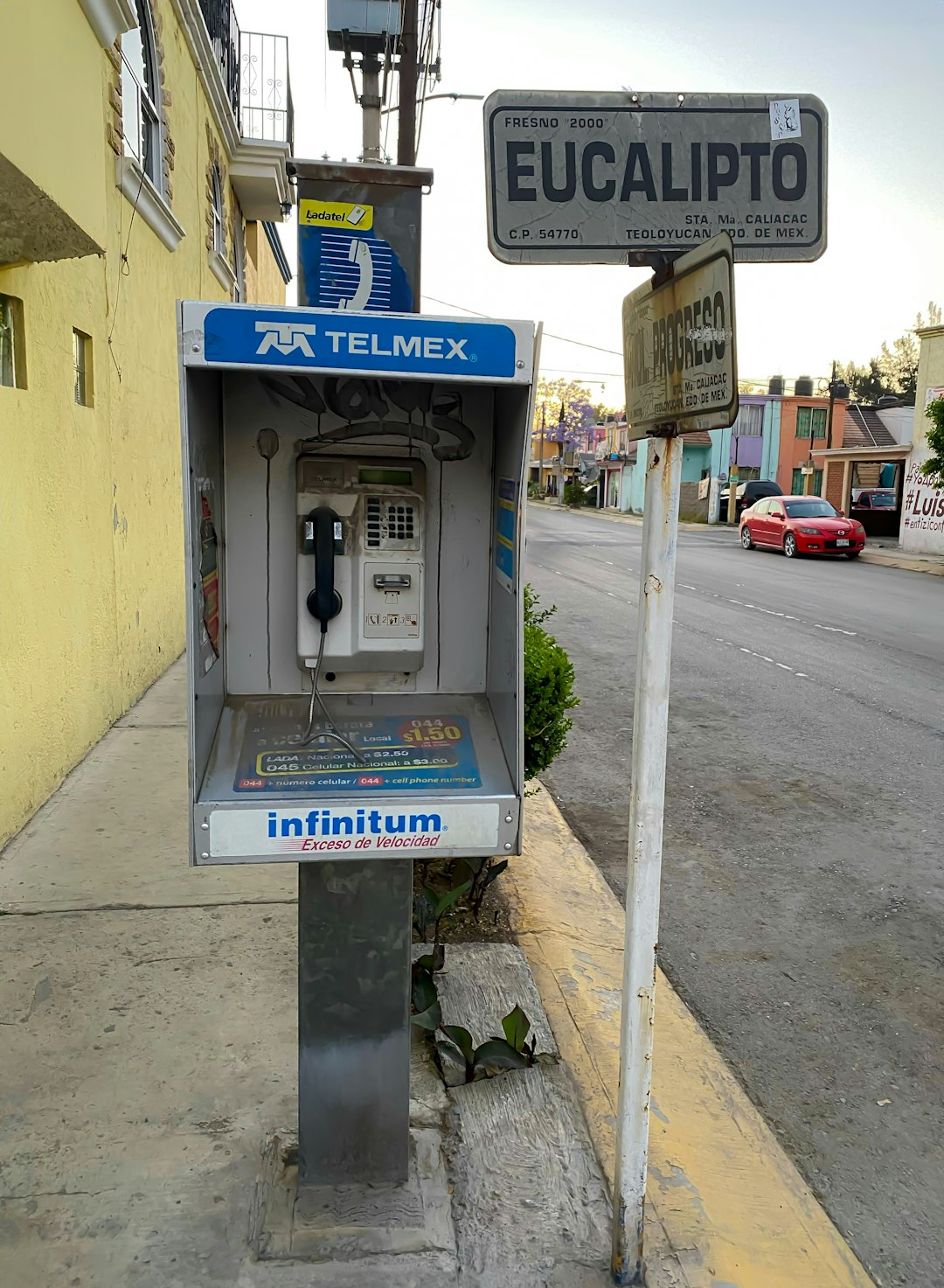
In Fairfax, Virginia, as in many areas across the country, spam calls have become a persistent nuisance for residents. With advancements in technology, scammers employ sophisticated methods to target individuals, often posing as legitimate businesses or government agencies. Identifying spam calls is an essential skill for Fairfax residents to protect themselves from financial loss and identity theft. According to recent data from the Federal Trade Commission (FTC), Americans lost over $24 billion to fraud in 2021, a significant portion of which can be attributed to telemarketing scams.
One effective way to combat these spam calls is by educating residents on how to recognize and block them. The first step is to verify the source of the call. Legitimate businesses typically provide clear contact information on their websites or packaging. If a call claims to be from a known organization but requests personal information, it could be a scam. Additionally, listening for pressure tactics, such as urgent requests for immediate action or threats of legal consequences, should raise suspicion. Many spam call law firms in Virginia have reported an increase in cases involving imposter scams, where callers impersonate collection agencies or government entities.
To protect yourself, consider using call-blocking apps or features offered by your service provider. These tools can help filter out known spam calls. Regularly reviewing call history and blocking numbers associated with suspicious activity is crucial. Furthermore, the FTC advises residents to never share personal or financial information over the phone unless they initiated the contact and are certain of the recipient’s identity. By staying vigilant and implementing these practical tips, Fairfax residents can significantly reduce their risk of becoming victims of spam calls.
The Role of Law Firms in Combating Spam in VA

Fairfax, Virginia, like many urban centers, grapples with the persistent issue of spam calls, which not only disrupts daily life but also poses significant challenges for residents and local businesses. Law firms in this area play a crucial role in combating this growing problem, as they are on the front lines of consumer protection and privacy rights. With an estimated 50% increase in spam calls over the past decade, according to Federal Trade Commission data, Virginia has emerged as a hotbed for unwanted telemarketing activities. This surge underscores the imperative for collaborative efforts, with law firms leading the charge against spam call law firms Virginia residents increasingly face.
Expert legal counsel can provide critical insights and strategic guidance on navigating complex regulations such as the Telephone Consumer Protection Act (TCPA). By understanding these laws, law firms can assist clients in implementing effective anti-spam measures, including robust caller ID verification systems and opt-out mechanisms. For instance, a prominent Virginia-based firm successfully represented a group of homeowners who suffered from relentless spam calls from out-of-state telemarketers, resulting in a precedent-setting settlement that empowered local residents. Furthermore, law firms can offer specialized services like call tracking and monitoring to identify spammers, enabling swift legal action through cease-and-desist letters or, where warranted, litigation under Virginia’s strict anti-spam legislation.
In addition to direct legal interventions, law firms can contribute to long-term solutions by advocating for stricter regulations and engaging in public education campaigns. They can collaborate with local authorities and consumer protection agencies to raise awareness about spam call trends and the consequences of ignoring them. By fostering a culture of digital literacy and privacy consciousness, these efforts aim to deter spammers and empower citizens to take proactive measures against unwanted intrusions into their personal space. Law firms’ multifaceted approach, combining legal expertise with community engagement, is essential in tackling this evolving digital menace head-on, ensuring Fairfax’s residents enjoy peace of mind in an increasingly connected world.
Enhancing Awareness: Educating Community Members

In Fairfax, Virginia, enhancing awareness about spam text is more than just a technological concern—it’s a community imperative. With an ever-evolving landscape of digital communication, residents must be equipped to recognize and handle unsolicited text messages, especially those masquerading as legitimate offers or warnings. According to the Federal Trade Commission (FTC), over 4 billion spam texts are sent annually in the U.S., with many targeted at specific demographics, including Virginia’s substantial senior citizen population. Educating community members is a key strategy in combating this issue.
Local initiatives can play a pivotal role in raising awareness. Spam call law firms in Virginia have actively participated in public outreach programs, hosting workshops and seminars to teach residents about the signs of spam texts, common scams, and available legal protections. For instance, the Virginia Attorney General’s Office has launched campaigns that highlight the state’s strict anti-spam laws, empowering citizens to take action against unwanted text messages. These efforts have been met with positive responses, as evidenced by increased participation in community education events. By fostering a culture of digital literacy, Fairfax can reduce the effectiveness of spam campaigns and protect its residents from potential financial and identity theft risks.
Practical steps include regular updates on recognized spam patterns, distributing educational materials in schools, senior centers, and community hubs. Law enforcement agencies, along with local tech businesses, can collaborate to develop interactive workshops that demonstrate how to identify and report spam texts effectively. Furthermore, leveraging social media platforms to share tips and success stories can encourage peer-to-peer education, strengthening the community’s collective defense against digital threats. Ultimately, a well-informed Fairfax community will be better equipped to navigate the digital landscape, ensuring that awareness remains high and spam text activities are consistently deterred.